

A call for intervention
The demolition and construction industry is sick. It needs help; an intervention before it's too late.
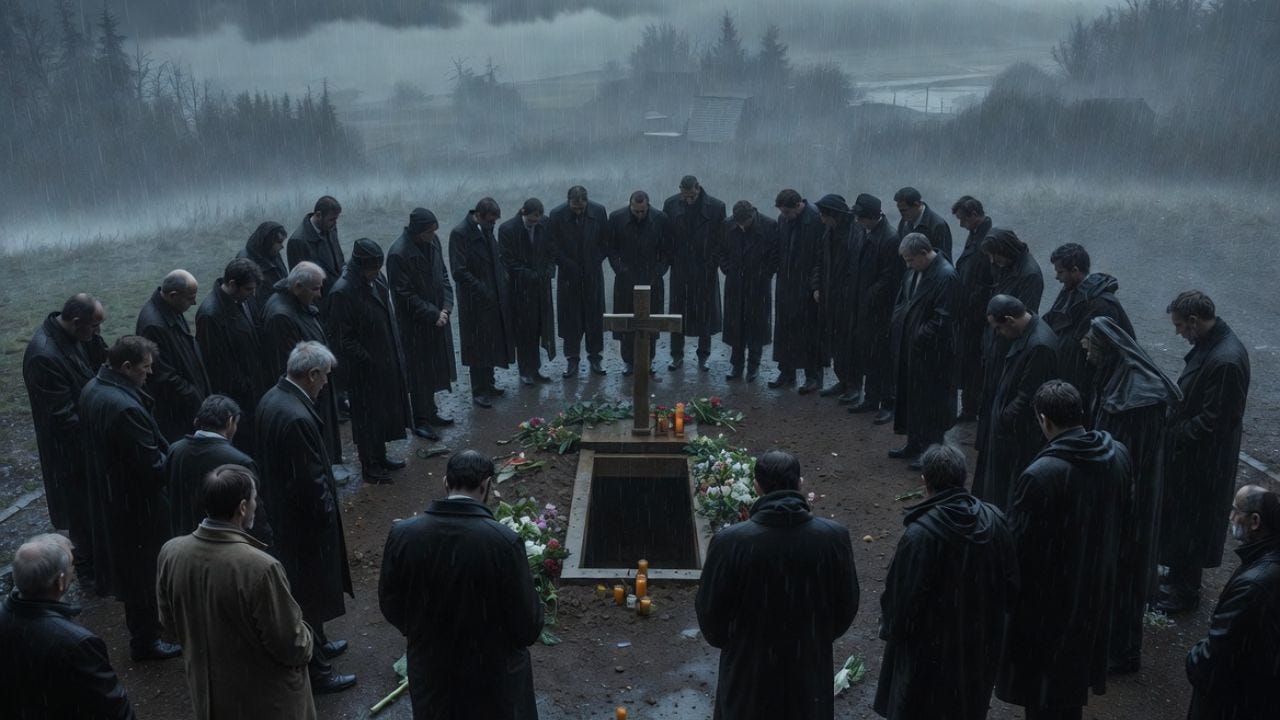
The mourners gathered at the graveside turn their collars to the wind and rain. They stand in a ragged circle. Family, friends, colleagues and acquaintances. They are united in grief and in sadness.
But as the coffin begins its slow descent, there is something else. Something unspoken. In the midst of the grief, there is regret. Regret that they didn’t spend more time with the deceased. Regret that perhaps they missed the signs that all was not well. Regret that they didn’t intervene when the signs were all too clear.
There’s the friend who remembers a dinner. He saw the way the deceased’s hand shook as he reached for the wine list. He saw the dilated pupils, the frantic energy of someone running away from something they couldn’t outpace. He knew that the social use had become a dependency; that the drugs were no longer just a phase. But he said nothing. He didn’t want to be “that guy”. He didn’t want to ruin the evening. So, he ordered another bottle and laughed at a joke that wasn’t funny. And today, he has to live with the weight of that silence.
Next to him stands a sibling, haunted by the memory of a phone call ignored. They’d seen the signs of the mental erosion; the withdrawal, the sudden, bursts of temper, the quiet emptying out of a once-vibrant personality. They could have reached out; they could’ve had the conversation when it might’ve made a difference. Instead, they looked at their diary, cited a busy schedule, and told themselves it was just a rough patch.
And this is where that rough patch ended. A family member, committed to the earth.
Those mourners chose the comfort of looking the other way over the friction of saving a life. And now, as the first handful of earth hits the lid of the coffin, they realise that their fond memories are nothing more than a thin veil over a mountain of regret; that the pain of loss is exacerbated by the failure to intervene when they still could.
It is a peculiar irony that an industry built on the science of structural integrity and controlled demolition should be so entirely blind to its own fragility and potential collapse.
During construction, we work tirelessly to eradicate weakness. In demolition, we can walk into a 1960s office block and point precisely to the point of likely failure. We know where the rot starts. We know how a lack of maintenance leads to subsidence, and how subsidence leads to catastrophe.
Yet, as we stand at the bedside of an ailing demolition and construction industry, we seem baffled as to how we got here.
For decades, we have watched this industry develop a terminal dependency on the drug of wafer-thin margins. It started as a survival tactic during the lean years; a way to keep the plant moving and the men on site. But it became an addiction. We began to crave the high of winning the next contract at any cost, even when the numbers on the page resembled a suicide note. We told ourselves we would get well on the next job; or that we could nourish ourselves by biting down a little harder on the supply chain.
We grew gaunt, even as we got drunk on quick wins and short-term success. We stripped away the fat of training and development. We burned through the muscle of health and safety culture. Finally, we started gnawing at the bone of the industry’s soul. We saw the jaundice setting in across the sector; the bankruptcies, the mental health crises on site, the desperate, frantic shuffling of debt. But we didn’t intervene. We just adjusted our bid slightly lower and hoped the collapse wouldn’t happen on our watch.
We meet at the industry dinners, the glossy awards ceremonies where we hand out trophies for Innovation and Excellence while the foundations are rotting beneath our feet. We sit in sleek city restaurants, clinking glasses with competitors we know are one month, one bad job away from liquidation. We talk about growth and sustainability with the same false bravado the deceased used at the pub to hide the fact that their life was slowly falling apart. We put on our black ties and our evening gowns and we pretend that everything is fine because the alternative is too uncomfortable to face.
We have watched the industry’s mental health decline in the form of a crippling skills shortage. This wasn’t a sudden haemorrhage; it was a slow, quiet bleeding out. We saw the veterans leaving, taking decades of unwritten knowledge with them. We saw the young looking at our industry - with its brutal hours, its predatory margins, and its “man up” culture - and deciding they would rather be anywhere else. We saw the empty apprenticeships and the ageing workforce. But we treated it like a minor snagging list rather than a structural failure. We looked at the gathering dark clouds and waited for someone else to fix the roof.
There is no cheery ending to this article because there is no cheery ending to a funeral. There is only the cold, damp reality of what remains. If we continue to look the other way - if we continue to value the win over the work, the short-term margin over the long-term wellbeing of our men - then we are merely rehearsing for our own burial.
If we don’t find the courage to stop the descent now, we will all find ourselves here soon enough, our fond memories of a once-great industry entirely outweighed by the crushing, final weight of regret.
We are an industry that prides itself on building things to last. Yet, through our refusal to intervene, through our addiction to the bottom line and our silence in the face of decay, we are ensuring that the only thing we leave behind is a hole in the ground and a group of people standing around it, wondering why nobody said anything while there was still time.
Devastating analogy that cuts deep. The addiction to razor-thin margins basically creates a death spiral where companies cant invest in the very things that would make them more competitve. I've seen this firsthand on projects where everyone's so stretched they start making mistakes that cost way more than what they saved bidding low, but by then it's too late to stop the bleeding.