Death by Denial
For construction workers, seeking medical care is often seen as weakness. This self-sabotage, fuelled by a façade of invincibility, leads to potentially dangerous denial.
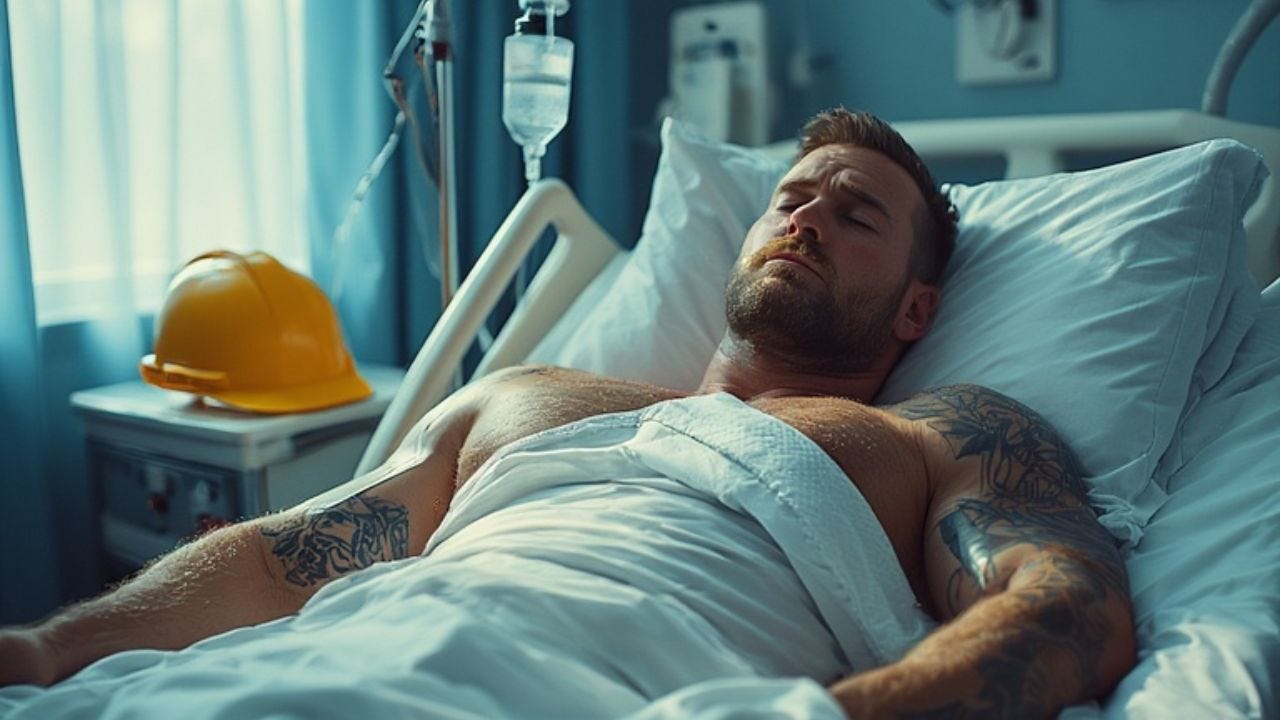
Back in August 2016, I was diagnosed with Type 2 diabetes. I was also diagnosed with hypertension. That’s high blood pressure to you and me.
I’d had a few headaches. I was peeing a bit less than usual. I’d had a couple of minor bouts of dizziness. And, on two separate occasions, I’d experienced heart palpitations. But at no point did I put two and two together.
In fact, I was diagnosed only after I ended up in hospital for something totally unrelated. Two potentially life-threatening conditions that only came to light after I got a whack on the head.
Like many men, I’ve never really “done” doctors. I rarely take painkillers, and I used to go years without visiting my GP. I was always too busy or not quite sick enough. Until I was.
All of which is to say that I know of which I speak. We aren’t just playing fast and loose with our day-to-day health; we are potentially gambling with our lives.
A recent study suggested that around half of all men in the UK are suffering from an undiagnosed condition or disease. In construction, the levels are almost certainly higher.
Construction workers have elevated rates of smoking, heavy drinking, hypertension, and are more likely to be overweight or obese than workers in other industries. In fact, nearly 70% of construction workers are categorised as either overweight (48.3%) or obese (21.8%).
One-fifth of construction workers are thought to have Metabolic Syndrome, a cluster of conditions that includes high blood pressure and high blood sugar. Meanwhile, the prevalence of pre-diabetes (3.6%) and Type 2 Diabetes (1.2%) is hitting younger men in this industry (average age 36.3 in one study).
This is a recipe for disaster, putting demolition and construction workers at higher risk for severe chronic conditions like cardiovascular disease.
The problems don’t end there. If you work in demolition and construction, you are statistically more likely to binge drink than workers in other fields. If you think throwing back beers after a shift is just “being one of the boys,” understand that drinking heavily makes aches and pains worse, creating a spiral of poor health.
Your exposure to UV rays between 10 am and 4 pm puts you at risk for skin cancer. Skin cancers detected early can almost always be cured. Furthermore, demolition and construction work exposes you to hazardous dust, fumes, and chemicals, increasing your risk of respiratory diseases and cancer. If you want to keep breathing and working, you need preventative screening.
And on top of all the potential health issues that come directly or indirectly from your occupation, there are those that simply come with the passage of time.
Testicular cancer is highly treatable if caught early, but you have to check yourself monthly and demand an examination from a doctor if anything changes. Ignoring a lump or pain isn’t toughness; it’s signing your own death warrant.
Men aged 45 and older need to talk to a healthcare provider about the risks and benefits of screening for prostate cancer. You should also be getting screened for high cholesterol at least every five years, especially if you are over 35 or at high risk for coronary artery disease.
And while this is predominantly about bottoms and balls, the ladies don’t get off scot-free in all of this.
Women absolutely MUST prioritise regular breast screening. Early detection of breast cancer is critical for survival and successful treatment. If you are a woman, get yourself checked. If you are not, tell the women you care about to book their mammograms and perform self-exams.
Just to reinforce that point, I attended a school reunion about five years ago. During the conversation, it transpired that six of my former classmates had passed away. One had been killed in a motorcycle accident. Breast cancer claimed the lives of the other five.
The loudest excuse men use to rationalise avoiding the doctor is: “I don’t have time.” You’ve got long, irregular shifts, and fitting a GP visit into that schedule feels impossible. You operate on a “working equals earning” mentality, meaning time off, even for health, means lost money. When you’re self-employed, an injury or illness that forces you off the job for the average five or six weeks due to a serious injury will decimate your income.
But skipping needed medical care in the short run guarantees much bigger and more costly problems later. You will end up with extended absences and reduced productivity while sick, which wreaks havoc on your financial stability and the firm’s bottom line. Far more importantly, it could cost you your life.
I get it. You work in an environment that says “toughness” means enduring pain in silence. That is outdated bullshit. The toughest thing you can do for yourself, your family, and your colleagues is to stay operational for the long haul. Your body is your most important tool. If you neglect maintenance on your equipment, it breaks down, costs money, and risks the job. Your body is no different.
Ignoring pain or delaying medical consultation is professional negligence.
True strength in this demanding environment is measured by longevity, reliability, and the wisdom to protect your physical and mental wellbeing. Proactively seeking medical assistance is not a surrender. It is the definitive, professional act of self-preservation required to sustain your demanding career and secure your future. The responsibility rests with you to step up. Stop being a coward about a few minutes in a doctor’s office. Self-care is the highest form of professional resilience. So do it. Do it for yourself. Do it for your family. Get checked. Now.